
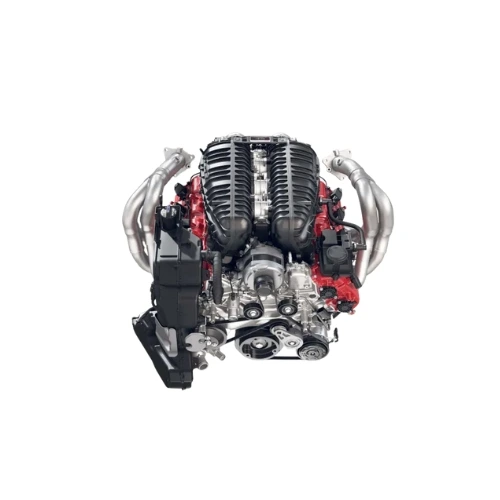
 Chevy Camaro engine
 Price range: $750.00 through $2,760.00Select options
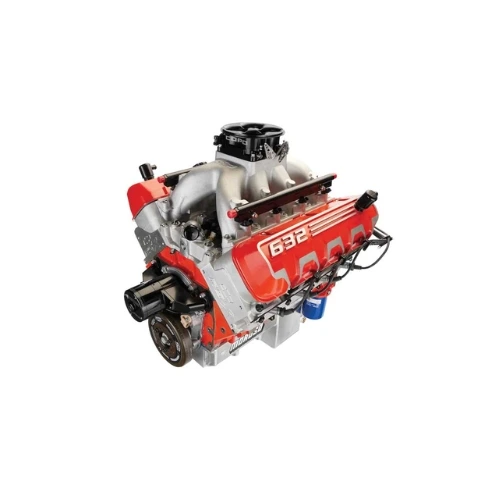
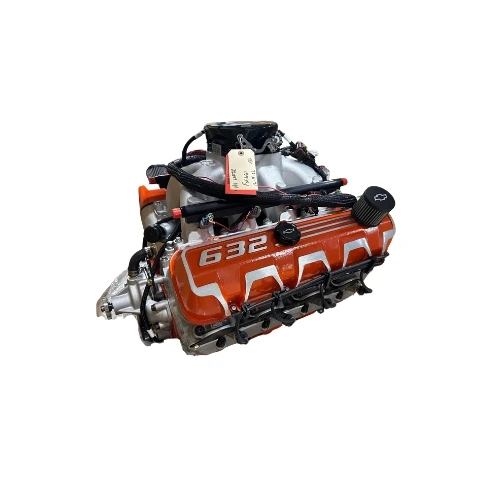
The Chevrolet Camaro engine lineup includes a range of turbocharged inline-4, V6, and high-performance V8 engines engineered for speed, power, and aggressive driving dynamics. Modern variants feature technologies such as direct fuel injection, Variable Valve Timing (VVT), and Active Fuel Management to optimize performance and efficiency. Power outputs range from approximately 275 horsepower in turbocharged models to over 650 horsepower in supercharged V8 variants. Developed by General Motors, Camaro engines are designed to deliver strong acceleration, track-ready performance, and classic American muscle car character.
In Stock
$750.00 – $2,760.00Price range: $750.00 through $2,760.00
The prices are exclusive of taxes and shipping. The price may vary depending upon the miles and year of manufacturing.
| Brand | Chevrolet |
|---|---|
| Conditions | Remanufactured, Used |
| Miles | 70000-130000 |
| Year Compatibility | 1995-2023 |
| Verified | Tried & Tested |
| Warranty | Up to 3 Months |
The Chevrolet Camaro Engine is known for its reliability and efficiency, but for those seeking a more performance-focused option, engines like the Chevrolet Camaro V6 engine offer a very different driving experience. This 3.6L naturally aspirated V6 powertrain delivers around 335 hp and 284 lb-ft. of torque, providing strong acceleration, smooth power delivery, and responsive throttle performance ideal for both daily driving and more spirited runs.
It can be paired with a 6-speed manual transmission for a more engaging feel or an 8-speed/10-speed automatic for quick, seamless shifts and improved efficiency. With modern technologies like direct injection and variable valve timing, this engine strikes a balance between performance and usability, offering more excitement than a typical Toyota Corolla setup while still maintaining reasonable fuel economy.
The 3.6L LLT V6 was the first direct-injection V6 used in the fifth-generation Chevrolet Camaro. It made about 312 horsepower and 278 lb-ft. of torque, giving a good mix of power and fuel efficiency for its time. It used modern technology like dual overhead cams and variable valve timing for smooth performance, but early versions had some issues with timing chain and oiling compared to later engines.
The 3.6L LFX V6 improved on the LLT by becoming more reliable, lighter, and slightly more efficient, while keeping similar power at around 323 horsepower and 278 lb-ft. of torque. It made the fifth-gen Camaro smoother and more dependable, fixing many of the earlier engine issues and offering a better overall driving experience.
The 3.6L LGX V6 is the most advanced version used in the sixth-generation Chevrolet Camaro. It produces up to 335 horsepower and 284 lb-ft. of torque, making it the most powerful of the three. It has a redesigned engine structure, better airflow, and improved efficiency, and works with modern 8- and 10-speed automatic transmissions. It is smoother, stronger, and more reliable than the older versions, making it the best naturally aspirated Chevrolet Camaro Engine.
The Camaro offers turbocharged 4-cylinder, V6, and V8 engine options, depending on trim and model year.
The supercharged V8 engines found in ZL1 models produce the highest horsepower.
Yes, Camaro engines are generally reliable when maintained properly with regular servicing.
Absolutely. Popular upgrades include superchargers, camshafts, exhaust systems, and ECU tuning.
Yes, Camaro V8 engines—especially LS and LT variants—are widely used in performance swaps and custom builds.
Loading reviews…
⚠️ Could not load reviews.
Please check sheet permissions.
Chevy Camaro engine