
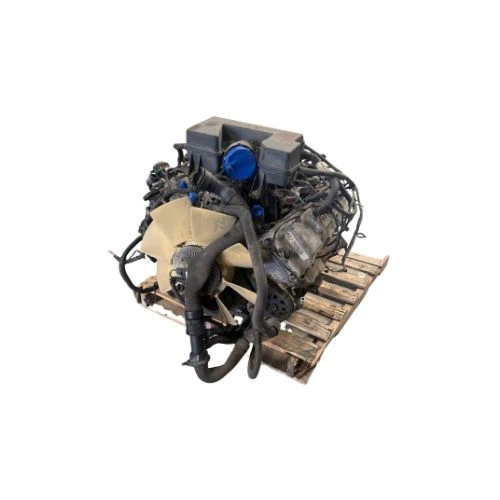
 Ford 6.2 Engine
 Price range: $2,000.00 through $6,500.00Select options
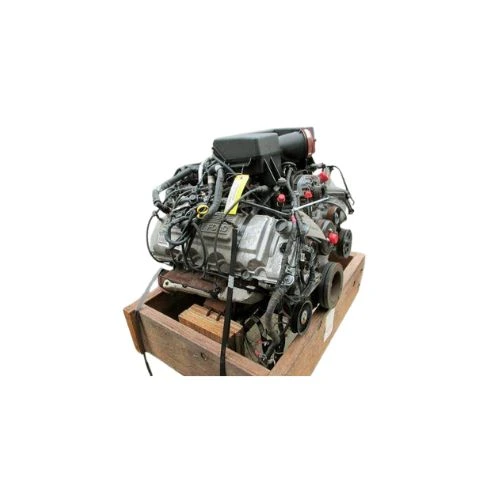
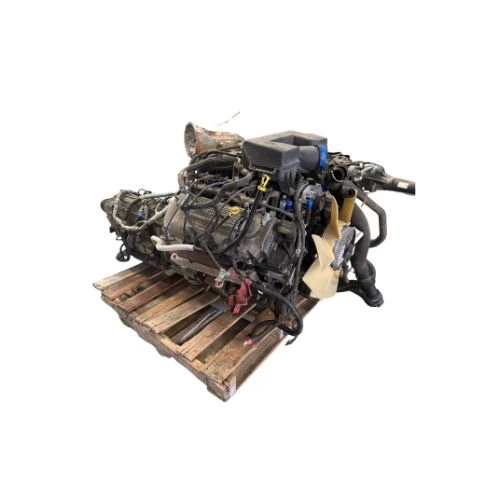
The Ford 6.2L Boss V8 is a naturally aspirated 6.2-liter gasoline engine designed for heavy-duty trucks and performance applications. Featuring a durable cast-iron block, aluminum cylinder heads, SOHC valvetrain, and dual spark plugs per cylinder, it delivers a strong balance of power, durability, and reliability. The engine supports regular 87-octane gasoline and E85 flex-fuel applications.
In Stock
$2,000.00 – $6,500.00Price range: $2,000.00 through $6,500.00
The prices are exclusive of taxes and shipping. The price may vary depending upon the miles and year of manufacturing.
| Brand | Ford |
|---|---|
| Conditions | Remanufactured, Used |
| Miles | 70000-130000 |
| Year Compatibility | 2010-2022 |
| Verified | Tried & Tested |
| Warranty | Up to 3 Months |
The Ford 6.2 engine is a robust 379-cubic-inch naturally aspirated V8 engine engineered for demanding truck and performance applications. With a 102 mm bore, 95 mm stroke, 9.8:1 compression ratio, cast-iron block, lightweight aluminum cylinder heads and pistons, and 16 spark plugs, this engine is built for dependable performance and long-term durability. The 6.2 ford engine, 7-quart oil capacity and compatibility with 87-octane gasoline or E85 make it a practical choice for a range of heavy-duty applications.
The Ford F-150 SVT Raptor was one of the most performance-focused applications of the 6.2L Boss V8. Used from 2010 through 2014, the naturally aspirated engine delivered strong power and responsive throttle performance for high-speed off-road driving. Its durable construction and broad torque delivery made it well suited to the Raptor’s demanding desert, trail, and rugged-terrain applications.
The 6.2L Boss V8 was offered in the Ford F-250 and F-350 Super Duty as a gasoline-powered option for heavy-duty work. Its cast-iron block, naturally aspirated design, and strong low-end torque provided dependable performance for towing, hauling, construction, and everyday commercial use. The engine was designed with durability and straightforward operation in mind, making it a practical choice for demanding truck applications.
In the Ford E-350 and E-450 E-Series vans, the 6.2L Boss V8 was used for commercial and fleet applications that required dependable gasoline power. The engine’s robust construction and substantial displacement provided useful torque for carrying passengers, cargo, and equipment. Its naturally aspirated configuration also offered a relatively straightforward powertrain solution for delivery vehicles, service vans, and other demanding commercial applications.
Yes, the Ford 6.2 engine is widely regarded as a very tough, durable, and reliable workhorse.
A used Ford 6.2 Engine should be checked for cylinder compression, oil pressure, coolant or oil leaks, abnormal internal noises, and signs of overheating. Inspecting the timing components, valve-train condition, seals, and lubrication system can also help identify potential issues before installation.
The Ford 7.3L “Godzilla” V8 is generally considered better for heavy towing and modern performance, while the 6.2L “Boss” V8 is praised for its long-term, proven simplicity and reliability.
Compatibility depends on the engine version and vehicle configuration. The ECU, wiring harness, crank and cam sensors, throttle system, injectors, and other electronic components must correspond with the truck’s factory calibration. Some original components may need to be transferred to maintain proper communication between the engine and vehicle systems.
Loading reviews…
⚠️ Could not load reviews.
Please check sheet permissions.
Ford 6.2 Engine