
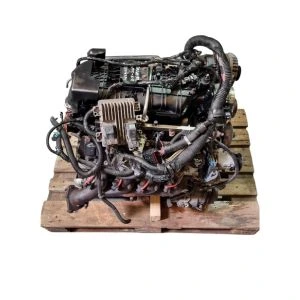
 L92 Engine
 Price range: $3,500.00 through $7,000.00Select options
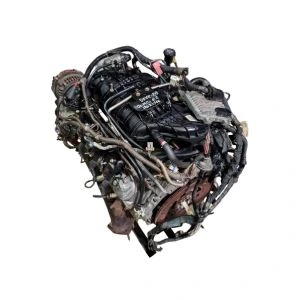
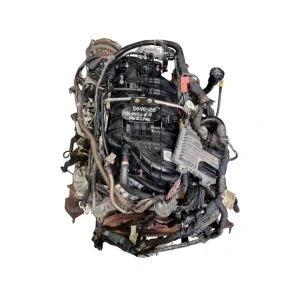
The GM L92 6.2L V8 engine is an all-aluminum, naturally aspirated powerplant designed for full-size SUVs and performance-oriented trucks. Featuring high-flow rectangular-port cylinder heads, variable valve timing (VVT), and a strong aluminum block, the L92 delivers smooth power and excellent throttle response. Producing up to 403 horsepower, it offers a balance of durability, refinement, and performance. Commonly found in Cadillac Escalade, GMC Yukon Denali, and Chevy Tahoe LTZ models, the L92 is a reliable replacement or upgrade option.
In Stock
$3,500.00 – $7,000.00Price range: $3,500.00 through $7,000.00
The prices are exclusive of taxes and shipping. The price may vary depending upon the miles and year of manufacturing.
| Brand | General Motors |
|---|---|
| Conditions | Remanufactured, Used |
| Miles | 70000-130000 |
| Year Compatibility | 2007-2013 |
| Verified | Tried & Tested |
| Warranty | Up to 3 Months |
The GM L92 engine is a 6.2-liter (376 cubic-inch) naturally aspirated V8 from GM’s Gen IV small-block engine family, designed for premium full-size SUVs and trucks. It uses an all-aluminum deep-skirt block with six-bolt main bearing caps for strength, paired with high-flow rectangular-port aluminum cylinder heads that closely resemble LS3 heads. The engine retains a traditional pushrod (OHV) valvetrain but adds variable valve timing (VVT) to improve torque delivery, fuel efficiency, and emissions across the RPM range.
With a 10.5:1 compression ratio, the L92 is naturally aspirated and flex-fuel capable (E85), allowing it to run on gasoline or ethanol blends. It is factory-rated at approximately 403 horsepower at 5,700 rpm and 417 lb-ft of torque at 4,300 rpm, giving strong low- and mid-range performance well-suited to heavy vehicles. Notably, the L92 does not use Active Fuel Management (AFM), which improves long-term reliability and makes it a favorite for engine swaps and performance builds. The L92 combines luxury-grade refinement with LS-based durability and strong power potential.
Introduced around 2007, the L92 is a 6.2-liter Gen IV small-block V8 designed for luxury SUVs and trucks. It features high-flow rectangular-port cylinder heads similar to the LS3, variable valve timing (VVT), and an all-aluminum construction. The base L92 does not use Active Fuel Management (AFM) and, in its earliest form, lacked flex-fuel capability, making it a solid, reliability-friendly platform with strong torque and smooth power delivery.
The L9H is essentially an updated L92, retaining the same 6.2-liter displacement, VVT, and power output, but adding Flex-Fuel (E85) capability. Used mainly in 2009+ GM trucks and SUVs, it was designed to meet expanding alternative-fuel requirements while preserving the performance and durability of the original L92. Mechanically, it remains very similar and is often treated as an L92 variant.
The L94 builds on the L92 architecture by adding Active Fuel Management (AFM), allowing the engine to deactivate four cylinders under light loads to improve fuel economy. Introduced around 2010 in GM trucks and SUVs, it maintains the same 6.2-liter displacement and VVT system but prioritizes efficiency more than simplicity, making it less popular for performance swaps without AFM deletion.
Yes. From my experience, the L92 engine is very dependable when maintained properly, especially with regular oil changes.
No. That’s a big plus for many owners, as it avoids the common AFM-related lifter issues seen in later GM engines.
It’s commonly found in Cadillac Escalade, GMC Yukon Denali, and Chevy Tahoe LTZ models from the late 2000s.
The L92 uses variable valve timing for smoother power delivery, while the L9H is similar but without VVT.
Yes. Its high-flow heads and strong block make it a great base for cam upgrades and tuning.
 L92 Engine